
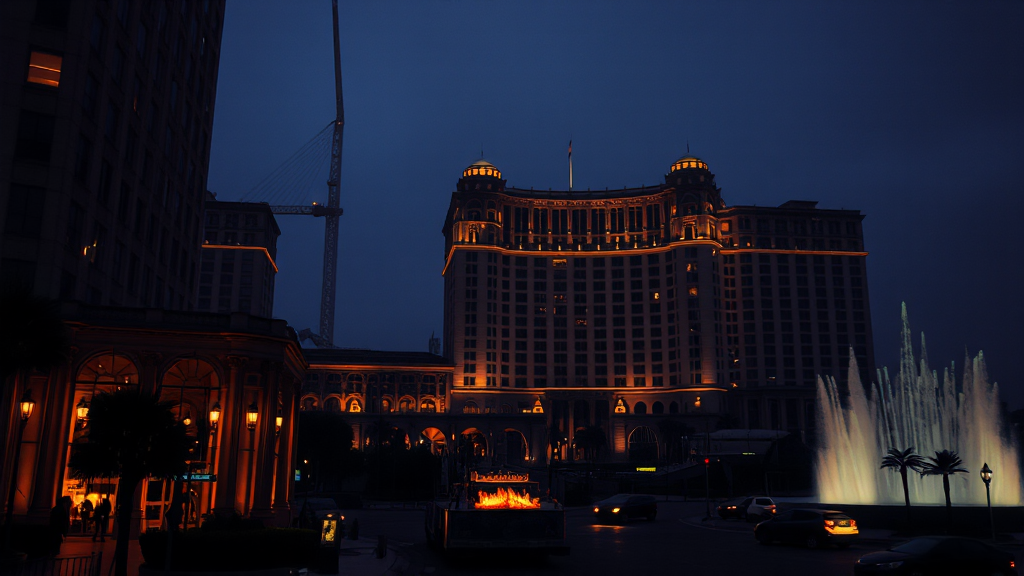
The Art of Hospitality: How Iconic Hotels Shape Travel Experiences
When we think about travel, we often focus on destinations, landmarks, or cuisines. Yet, where we stay can profoundly influence how we perceive a place. Hotels are more than just places to sleep; they are gateways to culture, comfort, and connection. From historic properties that whisper stories of the past to modern retreats that redefine luxury, the hospitality industry plays a vital role in shaping our journeys. In this article, we explore the elements that make a hotel truly memorable and how travelers can choose accommodations that elevate their trips.
The Evolution of Hotel Hospitality
Hospitality has been a cornerstone of human civilization for centuries. Ancient inns along trade routes provided rest for weary travelers, while grand palaces in Europe offered opulence for the elite. Over time, the concept of a hotel evolved from a simple shelter to a curated experience. Today, hotels compete not just on location or price, but on the emotional resonance they create. Guests seek personalized service, authentic design, and a sense of belonging. This shift has led to the rise of boutique hotels, eco-lodges, and heritage properties that prioritize storytelling and sustainability. The best hotels understand that hospitality is an art—one that requires attention to detail, empathy, and innovation.
Key Elements of an Unforgettable Stay
What separates a good hotel from a great one? It often comes down to a few core pillars. First, location matters, but not just in terms of proximity to attractions. A great hotel feels integrated into its surroundings, offering views, sounds, and aromas that reflect the local environment. Second, service is paramount. Staff who anticipate needs, remember names, and offer genuine warmth create lasting impressions. Third, design and ambiance set the tone. Whether it’s minimalist Scandinavian decor or ornate Victorian furnishings, the aesthetic should feel cohesive and intentional. Finally, amenities like spas, restaurants, and cultural programs add layers of value. When these elements align, a hotel becomes a destination in itself.
Why Heritage Hotels Stand Out
Among the many types of accommodations, heritage hotels hold a special allure. These are properties that have been preserved or restored to retain their historical character, often featuring original architecture, antiques, and stories of notable guests. Staying in a heritage hotel allows travelers to step back in time while enjoying modern comforts. For example, properties like thebiltmorehotels offer a glimpse into a bygone era of elegance and grandeur. Such hotels often become landmarks themselves, attracting visitors who value culture and tradition. They also contribute to local economies by preserving craftsmanship and employing local guides. For the discerning traveler, a heritage hotel is not just a place to stay—it’s a piece of living history.
How to Choose the Right Hotel for Your Trip
Selecting a hotel can be overwhelming given the endless options. Start by defining your priorities. Are you seeking relaxation, adventure, or cultural immersion? For a romantic getaway, look for intimate settings with fine dining and spa services. For family trips, consider hotels with kid-friendly activities and spacious suites. Solo travelers might prefer hostels or boutique hotels with social spaces. Budget-conscious travelers should look beyond room rates to hidden costs like resort fees or parking. Read recent reviews on multiple platforms to gauge consistency. Also, consider the hotel’s sustainability practices—eco-certifications and waste reduction programs are increasingly important. Finally, trust your instincts. If a hotel’s photos and description resonate with you, it’s likely a good fit.
The Role of Technology in Modern Hospitality
Technology has revolutionized the hotel experience, from online booking to in-room automation. Mobile check-in, digital keys, and smart room controls offer convenience and personalization. Many hotels now use AI chatbots for instant customer service and data analytics to tailor recommendations. However, technology should enhance—not replace—human interaction. The most successful hotels strike a balance, using tech to streamline operations while preserving the warmth of personal service. For instance, a hotel might offer a mobile app for ordering room service but still have staff deliver it with a smile. As travelers become more tech-savvy, hotels must innovate without losing the human touch that defines hospitality.
Trends Shaping the Future of Hotels
The hospitality industry is constantly evolving. One major trend is the rise of wellness-focused properties, offering yoga retreats, organic cuisine, and meditation spaces. Another is the growth of “workcations”—hotels that cater to remote workers with co-working areas, high-speed internet, and long-stay packages. Sustainability is also driving change, with hotels adopting renewable energy, eliminating single-use plastics, and sourcing local ingredients. Additionally, experiential travel is gaining traction, where hotels curate unique activities like cooking classes, guided hikes, or art workshops. These trends reflect a broader shift toward meaningful travel, where guests seek enrichment and connection rather than mere sightseeing.
FAQs
What is the most important factor when choosing a hotel?
The most important factor depends on your travel goals. For many, location and cleanliness top the list. However, for a truly memorable experience, consider the hotel’s service quality and unique offerings. Reading reviews and checking photos can help you decide.
How can I find affordable luxury hotels?
Look for off-peak travel dates, sign up for hotel loyalty programs, and use price comparison websites. Sometimes booking directly with the hotel offers perks like free breakfast or upgrades. Also, consider hotels in less touristy areas for better value.
Are heritage hotels more expensive than modern ones?
Not necessarily. While some heritage hotels are high-end, many offer competitive rates, especially in smaller towns. The value lies in the unique experience—historic architecture, storytelling, and cultural immersion—which can be worth the cost.
What should I expect from a hotel’s sustainability efforts?
Sustainable hotels may have energy-efficient lighting, water-saving fixtures, recycling programs, and locally sourced food. Some also support community projects. Look for certifications like Green Key or EarthCheck to verify their claims.
For readers who want to learn more about thebiltmorehotels, it helps to compare different approaches, read expert opinions, and consider how the topic fits into the broader general landscape.
Another key aspect of thebiltmorehotels is understanding how it relates to other topics in the same field. Many experts recommend starting with a clear overview before diving into specific techniques or strategies.
